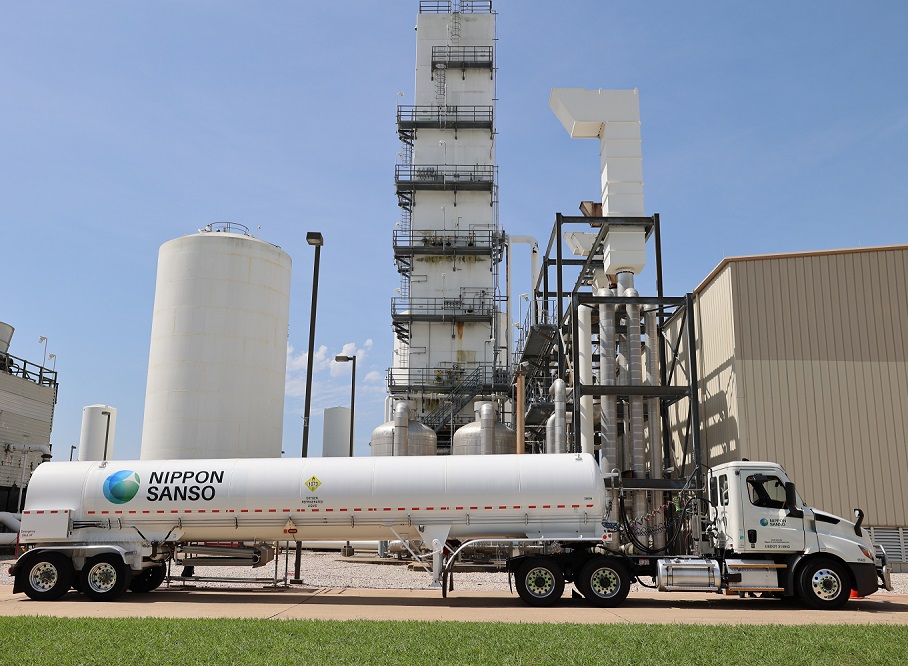
Powering the Oil & Gas Industry with Reliable Gas Supply, Technical Expertise and Safety Leadership
The oil and gas industry depends on reliable industrial gas supply, technical expertise and responsive support to keep operations running safely and efficiently. As one of North America’s leading industrial gas suppliers, Nippon Sanso Matheson provides a comprehensive portfolio of industrial gases, specialty gases, welding products, gas handling systems and technical services that support energy producers, processors, pipeline operators, refiners and petrochemical manufacturers.
From remote drilling sites and gathering systems to major refineries and petrochemical complexes, Nippon Sanso Matheson helps customers improve safety, increase productivity, reduce downtime and maintain compliance with demanding operational requirements. Our nationwide network of production facilities, distribution capabilities and technical specialists enables us to support customers throughout the entire oil and gas value chain.
Upstream Oil & Gas: Supporting Exploration, Drilling and Production
Upstream operations require dependable industrial gas supply in some of the industry’s most demanding environments. Nippon Sanso Matheson supports exploration, drilling, well completion and production activities with gases and services designed to improve operational efficiency and reliability.
Gases and Solutions for Upstream Operations
Nitrogen
- Well stimulation and completion operations
- Pressure testing
- Pipeline and vessel purging
- Inerting applications
- Enhanced oil recovery support
- Leak testing and commissioning

Helium
- Leak detection for critical systems
- Specialized testing applications
- High-sensitivity analytical services

Oxygen
- Wastewater treatment systems
- Environmental remediation applications
- Biological treatment processes

Argon and Shielding Gas Mixtures
- Field welding and fabrication
- Pipeline construction
- Equipment maintenance and repair
- Structural steel welding

Carbon Dioxide
- Supporting exploration, drilling and production
- Used for enhanced oil and gas recovery
Supporting Upstream Success Oil and gas producers rely on Nippon Sanso Matheson for dependable gas supply, responsive logistics, technical support and welding expertise. Whether supporting drilling contractors, production facilities or construction crews, we help customers maintain uptime while meeting stringent safety and quality requirements.
Midstream Oil & Gas: Enhancing Pipeline, Storage and Transportation Operations
Midstream companies face constant pressure to move products safely and efficiently through gathering systems, pipelines, terminals and storage facilities. Nippon Sanso Matheson provides gases and technical solutions that support construction, maintenance, testing and operational reliability.
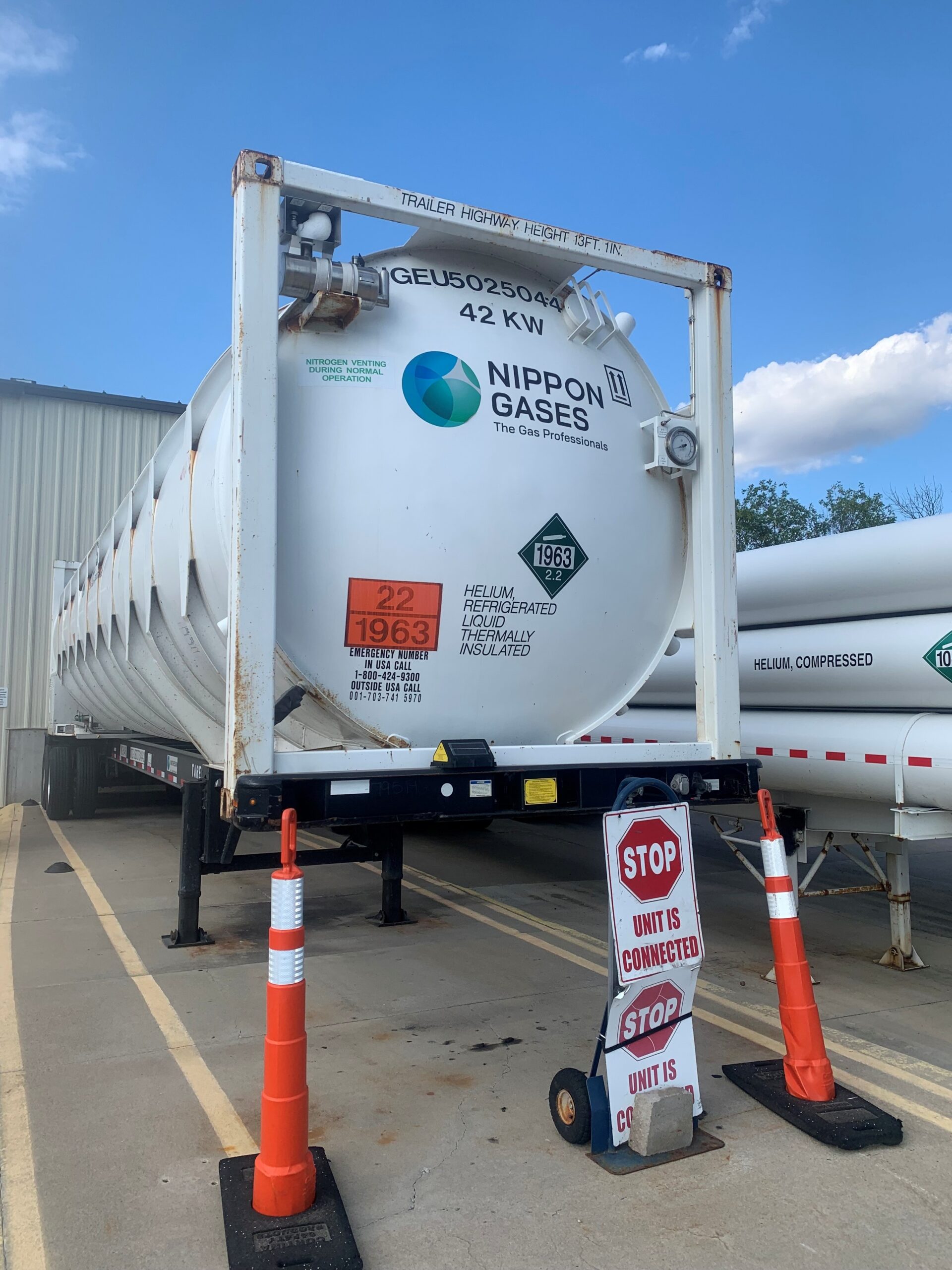
Gases and Solutions for Midstream Operations
Partnering with Nitrogen Services Companies
- Pipeline purging
- Tank inerting
- Pressure testing
- Drying and commissioning
- Oxygen displacement
- Maintenance shutdown support
- Pipeline leak detection
- Integrity verification
- Critical infrastructure testing
Industrial Welding Gases
- Argon
- Carbon dioxide
- Oxygen
- Specialty shielding gas mixtures
Midstream Construction and Maintenance Support
Pipeline operators, EPC contractors and maintenance teams depend on high-performance welding gases and hardgoods equipment to complete critical projects. Nippon Sanso Matheson supplies welding consumables, shielding gases and technical expertise that help achieve weld quality, productivity and compliance with industry standards. With a focus on safety, reliability and responsiveness, we help midstream customers minimize downtime and maintain operational integrity across their transportation and storage assets.
Downstream Oil & Gas: Supporting Refineries and Petrochemical Facilities
Refineries and petrochemical plants operate some of the most complex manufacturing environments in the world. These facilities depend on industrial gases for production processes, maintenance activities, environmental compliance and plant reliability.
Gases and Solutions for Downstream Operations.
Hydrogen
- Refining processes
- Hydrocracking and Hydrotreating: Hydrogen is required to remove sulfur, nitrogen and other contaminants from gasoline, diesel and other mid/intermediate distillates (hydrotreating) and also to convert (hydro-crack) larger/heavy components derived from crude oil processing into more lighter, valuable products, such as gasoline or diesel (hydrocracking).
- Production of Renewable Fuels: Conventional refineries can be converted to bio-refineries to produce renewable fuels, such as renewable diesel (RD) and/or Sustainable Aviation Fuel (SAF). The production of RD and SAF requires great amounts of H2 (more than the conventional processes) due to the nature of the processes and the raw materials being used (vegetables and/or animal fats).
- Other Hydrogenation Reactions: Hydrogen is a feedstock (reactant) in hydrogenation reactions used to produce a number of chemicals and petrochemicals.
- Sulfur Recovery and Acid Gas Plants: Hydrogen can be added to the tail gas treating unit (TGTU) of a sulfur plant when the streams to be treated are leaner (i.e., less H2S).
- Fuel quality improvement
- New HYCO Plants: Hydrogen/Syngas/CO Onsite Supply (Over-The-Fence – OTF)
- Supply of hydrogen, syngas or CO (carbon monoxide) to one or multiple customers from onsite plants or pipeline.
- Purchase hydrogen/syngas/CO plants from customer; design and deploy improvements- subsequently own, operate, maintain and optimize plant operations and supply.
- Gas Optimization/H2 recovery: Refineries may have low-value gas streams whose quality and value can be optimized by recovery (separation) of hydrogen and/or other hydrocarbons.
Refineries often produce their own hydrogen, but frequently may not produce the needed volume and purity. Onsite hydrogen plants and pipeline hydrogen can supplement the hydrogen produced by the refinery. Onsite hydrogen production capabilities range from less than 0.1 mmscfd to over 100 mmscfd. Plant design is optimized to give an appropriate gas cost based on capital, feedstock, and operating expenses.
Oxygen
- FCC Enrichment and NOx Reduction
Oxygen can be added to the regenerator of a fluid catalytic cracker (FCC) to improve yields, assist with coke burning and heat balance, and to reduce cyclone velocities. This can also reduce NOx and CO emissions. - Additionally, oxygen is used to produce ozone, which is required in the low-temperature oxidation NOx removal equipment incorporated into many FCC units.
- Sulfur Recovery and Acid Gas Plants
The use of oxygen in a sulfur recovery unit (SRU) can increase plant capacity and help with contaminants and low hydrogen sulfide streams. Oxygen can also be used to boost temperature. Oxygen use can be intermittent or continuous. - Oxygenation of Wastewater
Oxygen is used to treat wastewater streams. The use of oxygen in place of air is often required by environmental regulations, and can also be used to improve efficiency, productivity and costs. - Petrochemical Production Applications
Oxygen is a required feedstock in many chemical manufacturing processes, including ethane cracking, ethylene oxide, titanium dioxide, propylene oxide, MEG, vinyl chloride monomer and vinyl acetate monomer production. - Many of these compounds are the backbone of the petrochemicals industry, so a safe, economical and reliable supply of oxygen is a necessity. Oxygen can also be used in oxidation and liquefaction processes, to produce syngas, and for air enrichment.
- Oxygen supply for oxidative reforming processes (ATR, POX, solids/heavy oil gasification).
Syngas
Hydrogenation, ammonia, methanol, Fischer-Tropsch synthesis (FT), MTR, oxoalcohols, and acetic acid are just a few of the chemical production processes that can benefit from an economical supply of H2, CO, or syngas.
Syngas is an abbreviation for synthesis gas that is comprised primarily of H2 and CO with H2O, CO2, CH4 as the remaining components. Synthesis gas is manufactured by reacting gaseous hydrocarbons such as natural gas, light liquid hydrocarbons such as liquefied petroleum gas (LPG) or hydrotreated naphtha (HTN), and solid hydrocarbon feedstocks such as petroleum coke (petcoke), various coals (sub bituminous, lignite) and biomass, with steam and/or oxygen.
Feedstock Considerations
The required ratio of hydrogen to carbon monoxide is governed by the final product. Hydrogen production (H2) benefits from as high a H2:CO ratio in the syngas as possible. The most common technology is steam-methane reforming that uses a catalyst packed in tubes in a steam reformer furnace (SMR) to react CH4 with H2O to produce H2 and CO via reforming and water gas shift reactions. The endothermic heat of reaction is supplied by burning fuel on the outside of the tubes. The H2:CO ratio in the syngas from the SMR is further increased by water gas shift (WGS) reactors (one to three) in series. On the other hand, CO production benefits from a low H2:CO ratio which is achieved either in a SMR with recycle of all produced CO2 to drive the reverse water gas shift reaction or with a noncatalytic partial oxidation reactor (POX) which reacts hydrocarbons and O2 with minor amounts of moderator steam and recycled CO2. In CO applications, it is common to utilize imported CO2 to further decrease the H2:CO ratio. When an intermediate level of H2:CO is required or all the CO2 is required at high pressure, an autothermal reformer (ATR) may be deployed that reacts CH4 with steam and oxygen in a single reactor with noncatalytic partial oxidation generating the heat for the endothermic reactions in the burner zone followed by a catalyst bed for reforming and shift.
Separation/Purification/Ratio Adjustment
In addition to WGS, a pressure swing adsorber (PSA) achieves a final hydrogen product by separating the H2-rich syngas into a pure stream at pressure while rejecting a tail gas at low pressure that can be used as a fuel or recycled. Likewise, a membrane separation system can be used to produce a required H2:CO ratio. When high purity CO is required, CO cold box using cryogenic separation methods is employed. A vacuum swing absorber (VSA) could also be employed for selective CO separation from syngas.
Solid hydrocarbons like petcoke and coal are noncatalytically reacted with steam and oxygen at high temperature in a refractory lined vessel called a gasifier to produce a synthesis gas.
In all of the above technology choices, CO2 may be separated from the high-pressure syngas for recycle or sequestration using one of many absorption technologies such as amines (MEA, aMDEA) and refrigerated methanol (Rectisol). CO2 capture from the flue gas is a relatively new area with a few emerging technologies such as absorption into amines, temperature-swing adsorption (TSA), and VSA.
If process requirements do not justify onsite production, hydrogen may be supplied for bulk onsite storage as a cryogenic liquid. Smaller quantities of H2 and CO can also be delivered in tube trailers or cylinders as a compressed gas.

Specialty and Calibration Gases
- Process analyzers
- Environmental monitoring
- Emissions measurement support through EPA gases
- Laboratory operations
- Instrument calibration
- For laboratory, testing, or specialty applications, Nippon Sanso Matheson supplies hydrogen and carbon monoxide in high pressure cylinders in a variety of purities, with custom mixtures also available

Carbon Monoxide
Carbon monoxide is gas utilized as a feedstock in the production of a number of chemicals including acetic acid, polycarbonates, and polyurethane intermediates.\
Argon and Welding Gas Mixtures
- Turnaround projects
- Maintenance welding
- Fabrication
- Plant construction
- Specialty alloy welding, including nickel based, corrosion resistant, and GTAW cut length support
Nitrogen
- Plant inerting
- Turnaround support
- Reactor purging
- Tank blanketing
- Safety system support
- Process protection
Supporting Refinery Reliability and Turnarounds
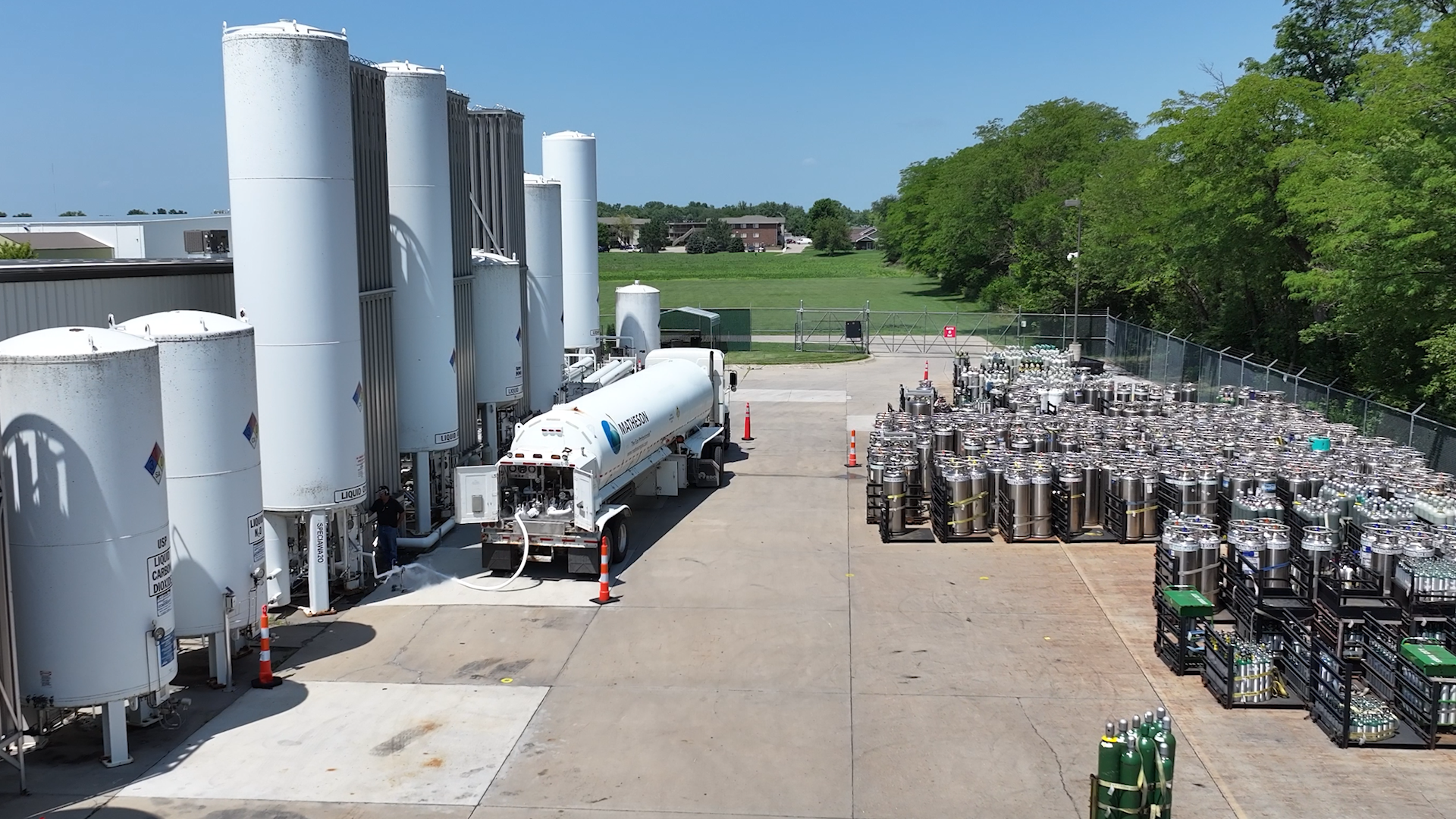
Refineries and petrochemical facilities rely on Nippon Sanso Matheson during both routine operations and major turnarounds. Our ability to supply industrial gases, specialty gases, welding products, safety-focused technical support and responsive service helps customers execute critical projects safely and efficiently. Whether supporting a planned shutdown, major capital project or day-to-day production operations, Nippon Sanso Matheson provides the resources necessary to keep facilities operating at peak performance.
Why Oil & Gas Professionals Choose Nippon Sanso Matheson
Across upstream, midstream and downstream operations, oil and gas professionals need more than a gas supplier- they need a trusted partner. Nippon Sanso Matheson combines industrial gas production, specialty gas expertise, welding technology, technical support and a commitment to safety to help energy companies succeed.
Customers choose Nippon Sanso Matheson because they need:
- Reliable industrial gas supply
- Technical expertise and application support
- Nationwide service capabilities
- Welding and fabrication solutions
- Specialty gas and calibration gas expertise
- Safety-focused operations
- Responsive customer service
- Solutions for complex energy applications
When energy producers, pipeline operators, refiners and petrochemical manufacturers search for industrial gases, nitrogen services, hydrogen supply, welding gases, specialty gases or technical support for oil and gas operations, they turn to Nippon Sanso Matheson.
From the wellhead to the refinery gate. From pipeline construction to plant turnarounds. From nitrogen and hydrogen to specialty gases and welding solutions. Nippon Sanso Matheson delivers the gases, expertise and reliability that keep the energy industry moving.
Frequently Asked Questions: Industrial Gases for the Oil & Gas Industry
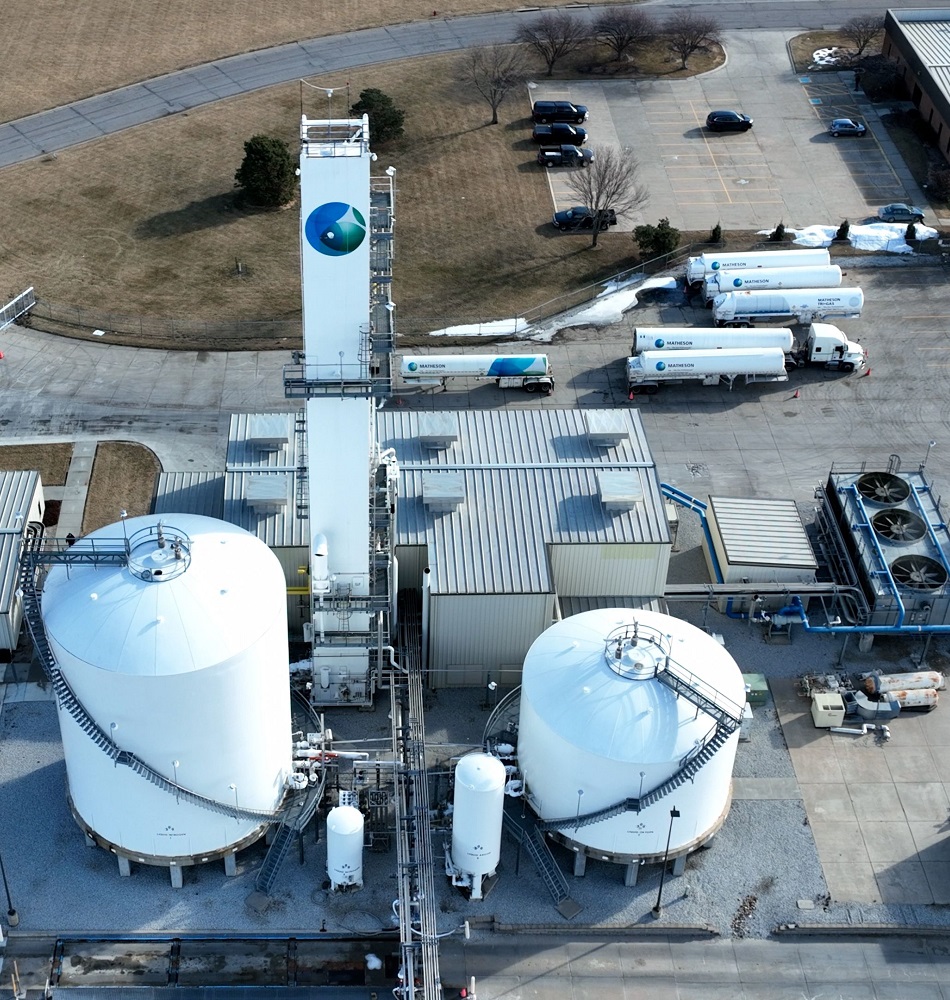
The oil and gas industry uses a wide range of industrial gases including nitrogen, hydrogen, oxygen, argon, helium, carbon dioxide and specialty gas mixtures. These gases support drilling operations, pipeline testing, leak detection, inerting, refinery processes, welding, laboratory analysis and environmental compliance. Nippon Sanso Matheson supplies industrial gases and technical support for upstream, midstream and downstream energy applications.
Nippon Sanso Matheson supplies nitrogen for oil and gas operations across North America, typically through nitrogen services companies. Nitrogen is used for pipeline purging, pressure testing, vessel inerting, tank blanketing, commissioning, maintenance turnarounds and oxygen displacement. Reliable nitrogen supply helps improve safety, protect equipment and maintain operational efficiency.
Nitrogen is one of the most widely used gases in refining and petrochemical operations. Common applications include inerting process equipment, tank blanketing, reactor purging, turnaround support, pressure testing and preventing combustible atmospheres. Nitrogen helps facilities improve safety while protecting critical assets and production processes.
Upstream applications include well stimulation and completion, pressure testing, pipeline and vessel purging, inerting, enhanced oil recovery support, leak testing, and commissioning. Nippon Sanso Matheson supplies nitrogen and related industrial gas support for these demanding field applications.
Nitrogen is used for purging, pressure testing, drying, commissioning, inerting, and oxygen displacement. Helium may be used for sensitive leak detection and integrity verification, while welding gases support pipeline construction, maintenance, and repair.
Hydrogen is used in hydrotreating and hydrocracking to remove contaminants and convert heavier crude-derived components into lighter products. It is also used in hydrogenation reactions, renewable diesel and sustainable aviation fuel production, and certain sulfur recovery and tail-gas treatment applications.
Nippon Sanso Matheson supports refinery and petrochemical customers with hydrogen supply and technical expertise, including the ability to build HYCO plants. Nippon Sanso Matheson can provide Over-The-Fence (OTF) supply service to generate the gas(es) onsite and/or supply via pipeline.
Nippon Sanso Matheson’s Global Center of Excellence for HYCO is located in Warren, NJ and Remote Operations Center (ROC) is located in Houston, TX.
Nippon Sanso Matheson’s HYCO operations and technical leadership were transferred from Linde’s HYCO operations in early 2019, and were combined with Nippon Sanso Matheson’s existing HYCO assets.
Hydrogen is essential for hydrotreating, hydrocracking, sulfur removal and fuel quality improvement processes. Refineries depend on reliable hydrogen availability to meet production goals and environmental requirements.
Nippon Sanso Matheson supports refinery turnarounds with nitrogen, welding gases, specialty gases, calibration gases and technical expertise. Whether you are in the Houston area, Los Angeles area, the Gulf Coast or anywhere in the US, specialty contractors choose us. Turnaround projects often require large volumes of industrial gases for inerting, purging, pressure testing, maintenance welding and process startup activities. Our nationwide network helps customers execute critical shutdowns safely and efficiently.
Refinery turnarounds can require nitrogen for purging and inerting, welding gases for maintenance and fabrication, specialty gases for analyzers, calibration mixtures for emissions monitoring, and other gases for process or safety systems. Nippon Sanso Matheson supports both routine operations and major turnaround projects.
Pipeline construction and maintenance projects commonly use argon, carbon dioxide, oxygen, nitrogen and specialty shielding gas mixtures. These gases support welding, cutting, purging, testing and commissioning activities. Nippon Sanso Matheson provides both industrial gases and welding solutions for pipeline contractors and operators.
Helium is commonly used for high-sensitivity leak detection because it can identify extremely small leaks that may not be detected by other methods. Nippon Sanso Matheson supplies helium and supports leak detection applications for pipelines, storage facilities, process equipment and critical infrastructure.
Nippon Sanso Matheson supplies argon, carbon dioxide, oxygen, helium and advanced shielding gas mixtures for welding applications throughout the oil and gas industry. Our AWS Certified Welding Sales Representatives help customers select the appropriate gas mixture for pipeline construction, refinery maintenance, structural fabrication and specialty alloy welding.
Oil and gas facilities use specialty gases for process analyzers, emissions monitoring systems, environmental compliance programs, laboratory testing and instrument calibration. Nippon Sanso Matheson manufactures and supplies specialty gas mixtures including EPA gas mixtures designed to support accurate measurements and reliable operations.
Industrial gases improve safety, productivity, reliability and product quality throughout the oil and gas value chain. Applications include inerting, purging, pressure testing, leak detection, refining, welding, environmental monitoring and equipment commissioning. Industrial gases are critical to safe and efficient operation of modern energy infrastructure.
Yes. Nippon Sanso Matheson supplies specialty and calibration gases for process analyzers, environmental monitoring, emissions measurement, laboratory operations, and instrument calibration. It also supplies EPA gases and custom mixtures for testing and monitoring applications.
Oil and gas operators should look for a supplier with dependable product availability, strong safety performance, technical expertise, specialty gas capabilities, welding support and a robust distribution network. Nippon Sanso Matheson combines industrial gas production, specialty gas manufacturing, application knowledge and responsive customer service to support the industry’s most demanding operations.
Nippon Sanso Matheson supports upstream, midstream, and downstream customers with industrial gases, specialty gases, welding products, gas-handling systems, engineering, and technical services. Its declared strengths include supply reliability, nationwide capabilities, safety-focused operations, application expertise, and responsive support.
Why Choose Nippon Sanso Matheson for Oil and Gas Applications
Oil and gas professionals choose Nippon Sanso Matheson because of our commitment to safety, technical expertise, reliable gas supply and ability to support customers across upstream, midstream and downstream operations. From nitrogen and hydrogen to specialty gases and welding solutions, we help energy companies improve performance, reduce downtime and operate with confidence!